

WORTH TRYING?
Most wellness advice is written by people selling wellness. So take the rankings with a grain of salt.
These are things I've actually tried. Some changed my life. Some were a waste of a month. A couple were genuinely strange. No affiliate links, no sponsored takes, no supplement stacks.
Just an honest field report — what it is, what the research says, what I did, and whether it's worth your time.
— J
Here they are, with asterisks between each: Sauna * Cold plunge * Racket sports * The evening walk * Breathwork * Zone 2 cardio * Lifting something heavy twice a week * Reading a real book before bed * Gardening * Leaving the phone in another room at dinner * Nasal breathing * Creatine * Morning sunlight * Sleeping in a cold room * A long phone call with an old friend * Thirty minutes in the woods alone * Writing three lines in a notebook at night * Fishing * The steam room * Doing something hard in public
Here they are, with asterisks between each: Sauna * Cold plunge * Racket sports * The evening walk * Breathwork * Zone 2 cardio * Lifting something heavy twice a week * Reading a real book before bed * Gardening * Leaving the phone in another room at dinner * Nasal breathing * Creatine * Morning sunlight * Sleeping in a cold room * A long phone call with an old friend * Thirty minutes in the woods alone * Writing three lines in a notebook at night * Fishing * The steam room * Doing something hard in public
THE EVENING WALK
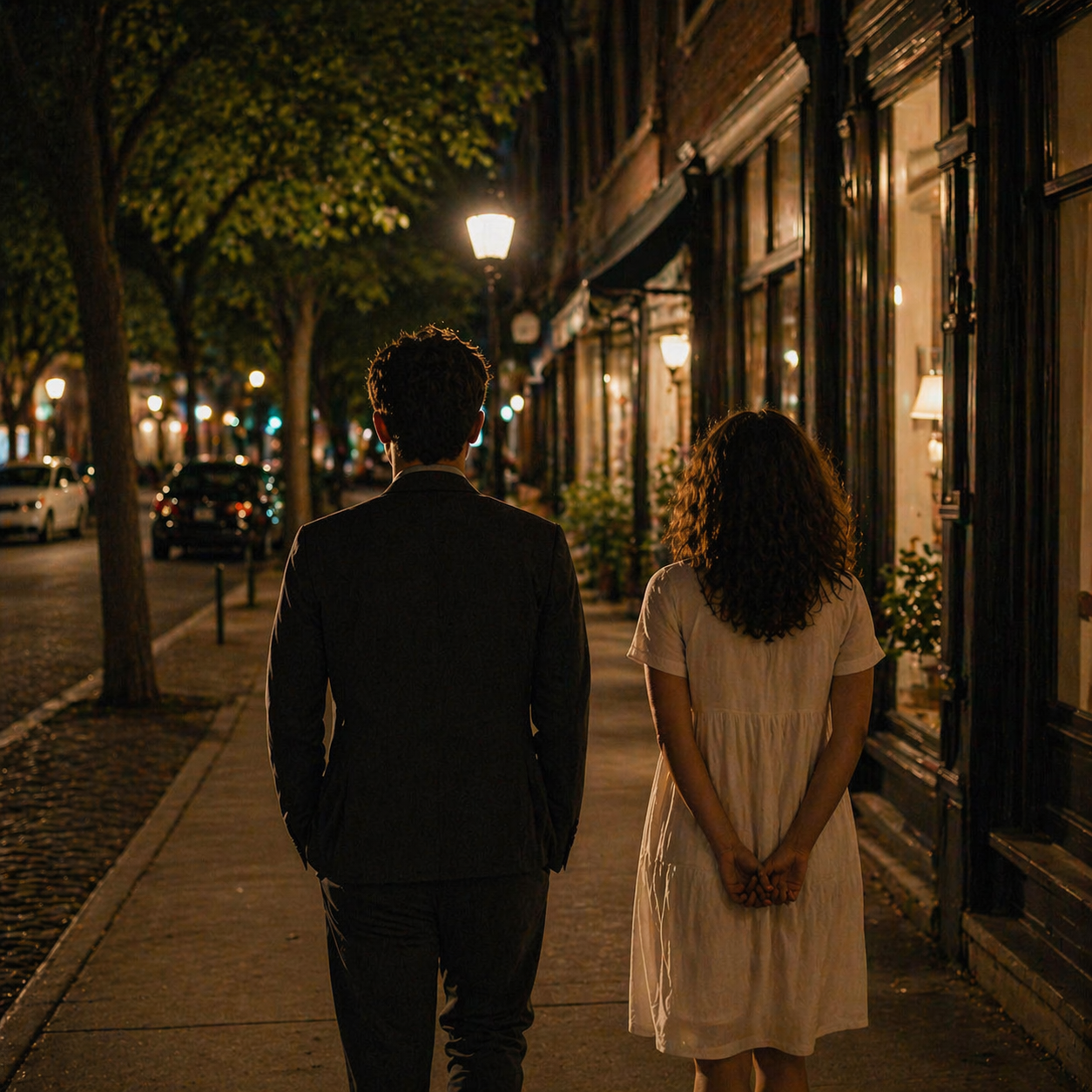
What it is: Ten to thirty minutes after dinner. Outside. Ideally with one person. Phone silenced or left behind.
What the research says: A ten-minute walk after eating lowers post-meal blood glucose more effectively than the same walk done at any other time. Over years, that translates to dramatically lower risk of type 2 diabetes and cardiovascular disease. But the real benefit is psychological — side-by-side conversation is the most natural format for men to talk about hard things, and the Walk creates that container without announcing itself.
What I actually did: Started with the dog. Now do it with my wife most nights, and alone when she's not up for it. Thirty minutes. No podcast.
The verdict: Worth trying. This is the single most important thing on this list. If you only do one, do this.
BTW: Another great thing worth trying is Turkish Baths. Never thought sitting in a warm marble room in a loin cloth being battered by a Turkish man would be enjoyable, but it strangely was.
SAUNA
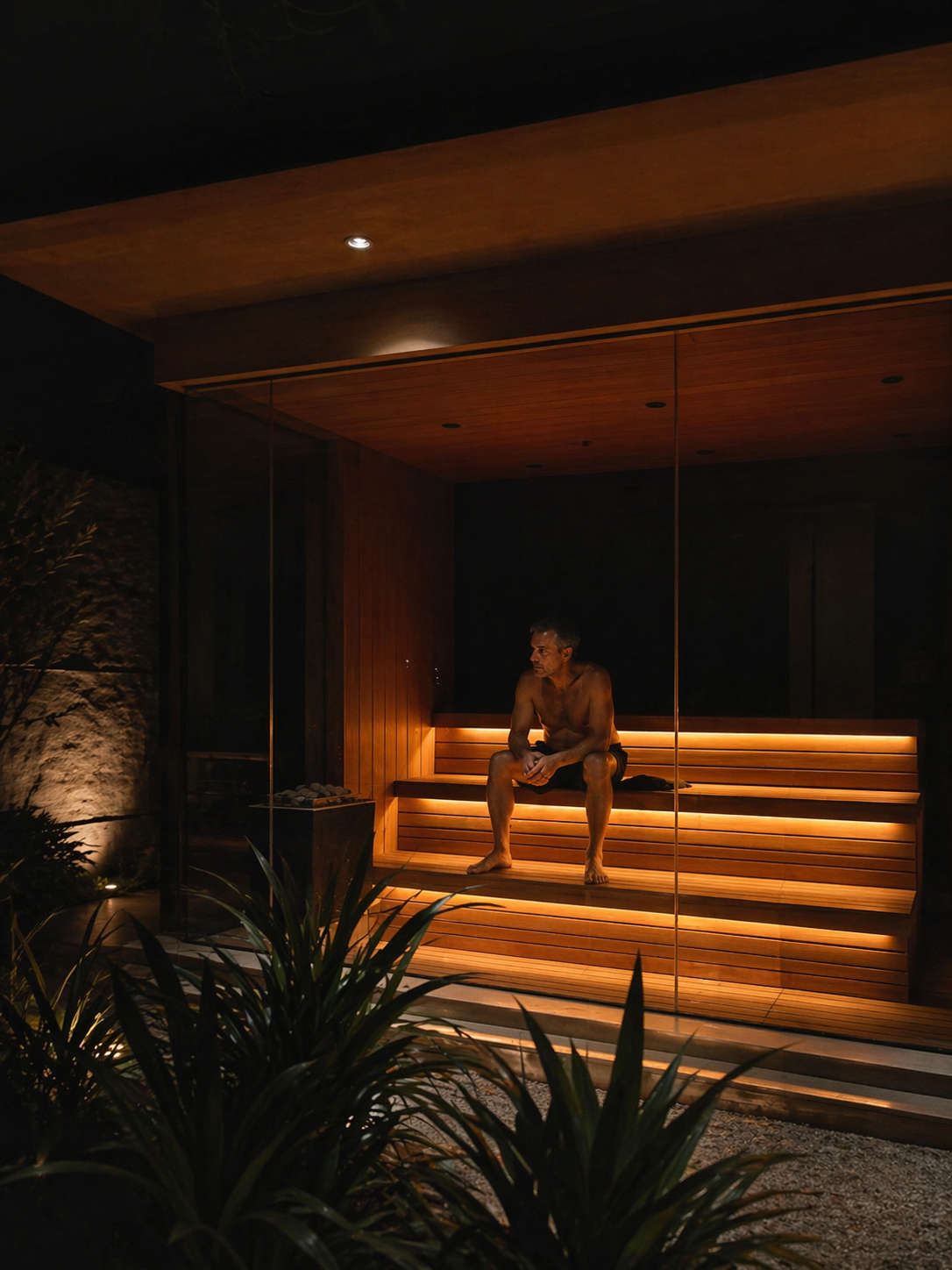
What it is: Dry heat, 175–195°F, 15–20 minutes, two to four times a week. Ideally Finnish-style (wood-lined, low humidity). A gym sauna works fine.
What the research says: A 20-year Finnish study of 2,300 middle-aged men found that 4–7 sauna sessions per week was associated with a 40% lower risk of all-cause mortality, 50% lower risk of fatal cardiovascular events, and — unexpectedly — a 66% reduced risk of dementia and Alzheimer's. Sessions over 19 minutes were significantly more protective than sessions under 11. The effect is dose-dependent.
What I actually did: Three times a week, 20 minutes each, after a workout. Started at 10 minutes because I thought I was going to die.
The verdict:Worth trying. The closest thing to a longevity cheat code that exists, and one of the only things with data that's almost embarrassing in how good it is.
BTW: Another great thing worth trying is Turkish Baths. Never thought sitting in a warm marble room in a loin cloth being battered by a Turkish man would be enjoyable, but it strangely was.
RACKET SPORTS
(tennis, padel, pickleball, badminton)
What it is: Any sport where two or four people hit a ball with a stringed implement.
What the research says: An 80,000-person study found that racket sports were associated with a 47% reduction in all, cause mortality, the largest longevity effect of any sport studied. A Mayo Clinic study tracking 8,500 people over 25 years found tennis added 9.7 years of life expectancy compared to sedentary controls, and badminton added 6.2 years. Cycling added 3.7. Jogging added 3.2.
The leading theory: racket sports combine cardiovascular exercise with cognitive demand, hand-eye coordination, and — most importantly — social engagement.
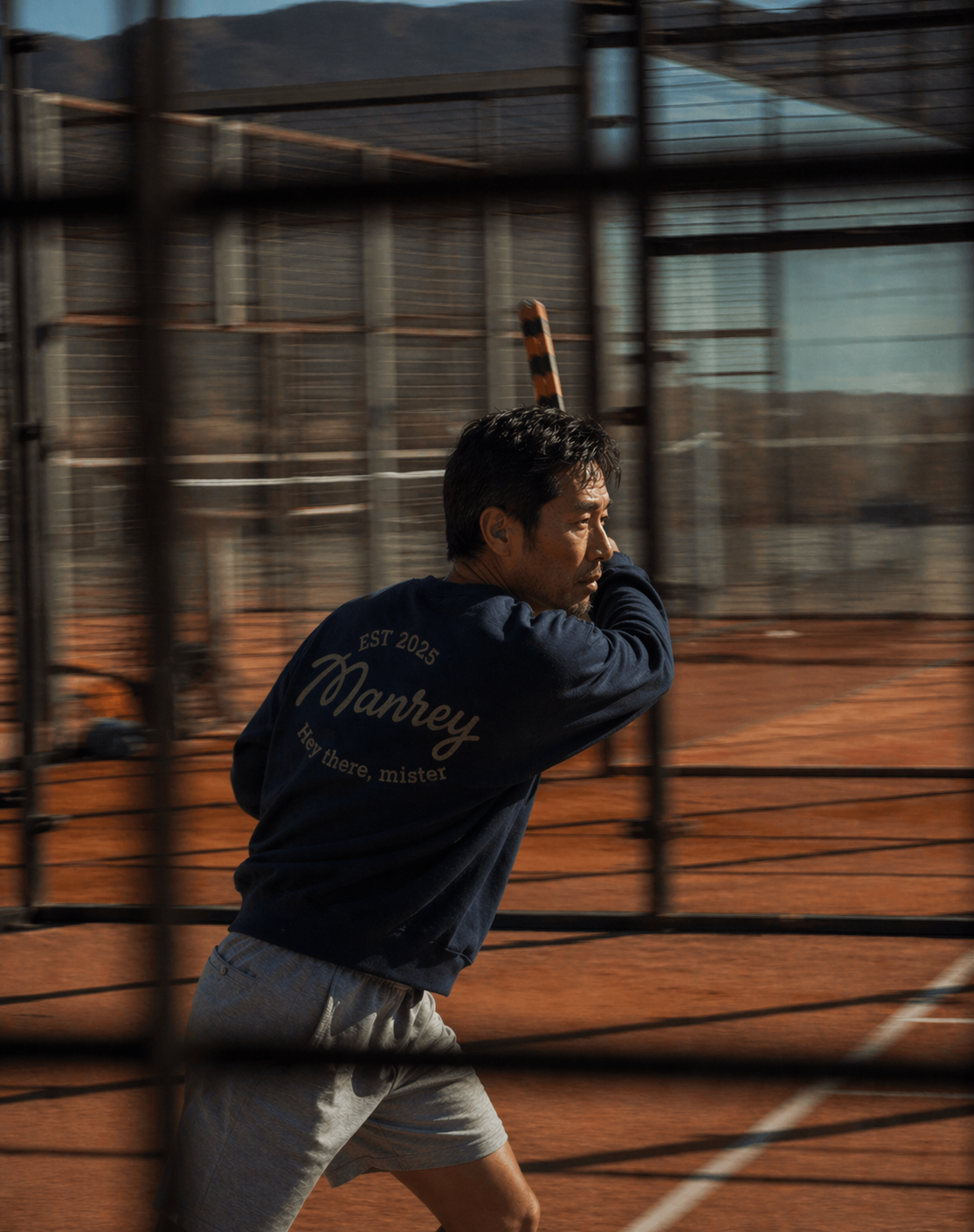
What I actually did: Padel. Started at 51. Lost humiliatingly the first few times. Made four friends I wouldn't have otherwise made.
The verdict: Worth trying. The social piece is the point. You're not going for the exercise. You're going for the four men you'll text about it on Wednesday.

2025
New York
The Atlast Project →
REVERSE COMMUTE WALKS
Verdict: Worth trying.
I live in Brooklyn and work in Midtown. For three years I took the subway both ways and arrived home exhausted.
Started walking the last mile home, getting off one stop early and covering it on foot. Twenty minutes. No podcast. By the time I'm at my door, the day is closed.
— D., Brooklyn
What works for you?
We all have something that can help someone else. What little habits work for you? Please tell us